Reviewing the Happy Birthday Jesus Vector Design
As an embroidery designer who has spent years digitizing for both high-volume commercial runs and delicate handmade gifts, I approach every new machine embroidery design with a critical eye. It is not enough for a graphic to look good on a screen; it must translate flawlessly into thread. Recently, I evaluated the HAPPY BIRTHDAY JESUS VECTOR TSHIRT DESIG, a piece created by Sourav Barai, to determine its viability for real-world stitching projects. This review focuses on how this specific asset performs when moved from digital concept to physical finished product.
First Impressions and Visual Personality
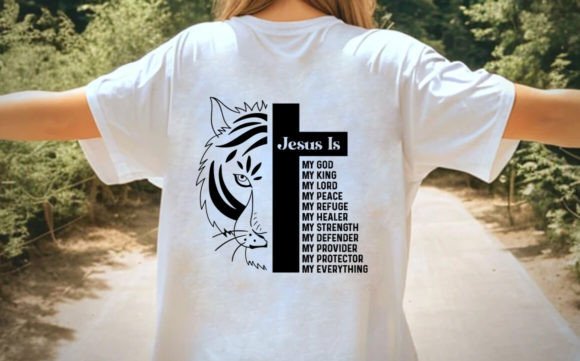
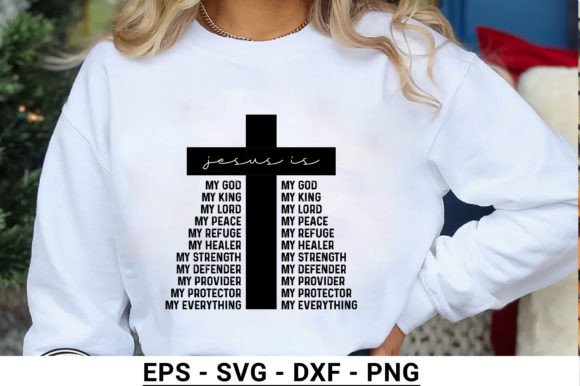
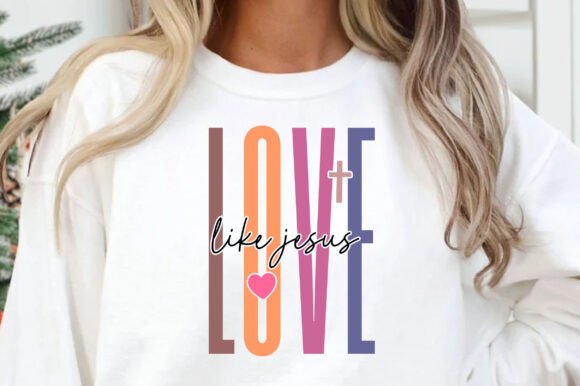
The initial impact of this design is rooted in its thematic clarity. The phrase "Happy Birthday Jesus" carries a specific cultural and religious weight, particularly during the Christmas season. Visually, the layout suggests a balance between celebratory typography and reverent symbolism. For an embroiderer, the first question is always about line weight and spacing. Does the text flow naturally, or are there awkward gaps that will require excessive underlay stitching? From a designer’s perspective, the vector nature of the source file implies clean edges, which is crucial when converting to an embroidery file. Clean vectors allow for precise digitizing, ensuring that curves remain smooth rather than jagged after stitching.
The mood here is festive yet respectful. It does not scream for attention with chaotic elements but rather offers a clear, readable message. This makes it highly versatile for various T-Shirt Designs and other apparel. When I visualize this on a garment, I see it working best with a classic serif or rounded sans-serif font style, which tends to hold up better in thread than ultra-thin script fonts. The visual personality suggests warmth and tradition, fitting seamlessly into holiday collections for small shops.
Real-World Application Scenarios
To truly test the value of any design assets, we must imagine them in use. I pictured this design applied to a heavy-weight cotton sweatshirt. The texture of the fleece provides a sturdy base for the stitches, allowing the lettering to pop without sinking into the fabric. In this context, the design serves as a statement piece for family matching sets, a popular trend among Etsy sellers and boutique owners. The clarity of the message makes it an ideal personalized gift for church groups or family gatherings.
Beyond apparel, consider a canvas tote bag. A tote bag design requires durability, as these items are often washed frequently and carry heavy loads. If the digitizing uses appropriate fill stitch patterns with sufficient density, this graphic can withstand daily wear. Another compelling application is nursery decor. Imagine this stitched onto a soft muslin pillow cover or a baby blanket. Here, the scale becomes critical. For baby embroidery, the design must be resized carefully to ensure no small details become choking hazards or lose definition. The simplicity of the core message supports this scaling, provided the digitizer maintains legibility.
For those running a craft business, this design could also be adapted into an embroidered patch. Patches require tight borders and dense stitching to prevent fraying. If the original vector includes distinct outlines, it translates well to a satin-stitched border, creating a professional-looking badge that customers can iron or sew onto jackets and hats.
Technical Considerations for Stitching
While the concept is strong, the execution depends entirely on the digitizing process. Since the product description mentions Sourav Barai’s experience with Graphics and standard quality, we assume a baseline of professionalism. However, every embroiderer must verify the technical specs before loading the hoop. One major concern with text-based designs is stitch density. If the letters are filled too densely, the fabric may pucker, especially on thinner materials like jersey knits used in t-shirts. Conversely, if the density is too low, the backing fabric might show through, ruining the aesthetic.
I recommend using a cut-away stabilizer for stretchy fabrics like sweatshirts to maintain shape stability. For woven fabrics like aprons or tea towels, a tear-away stabilizer might suffice, but testing is essential. The choice of thread colors will dramatically alter the perception of the design. Traditional red and green offer a classic holiday feel, while gold or silver metallic threads can elevate the design for a more premium, boutique look. However, metallic threads require slower machine speeds and careful tension adjustments to prevent breakage.
Pay close attention to small details. If the design includes intricate elements like stars, crosses, or decorative flourishes alongside the text, these areas need careful handling. Tiny corners can bunch up if the stitch angle is not optimized. A skilled digitizer will use running stitch outlines to tack down these small areas before filling them, ensuring crisp edges. Always inspect the design in a simulation software if available, looking for potential jumps or excessive trims that could slow down production.
Navigating Fabric and Hoop Constraints
Not every surface is suitable for this type of graphic. Curved surfaces, such as caps or beanies, present a challenge. The distortion inherent in stitching on a curved plane can warp text, making it difficult to read. If you plan to use this for headwear, ensure the design is centered perfectly and consider using a cap frame with strong stabilization. Similarly, dark fabrics require careful color selection. Light threads on dark fabric may require an underlay of white thread to prevent the background color from dulling the vibrancy of the top stitches.
For commercial embroidery projects involving large batches, consistency is key. Verify the hoop size compatibility with your machine. If the design is large, you may need a multi-hoop setup or a larger industrial frame. Always run a test stitch on scrap fabric identical to your final material. This step saves time and materials by revealing issues with tension, density, or color contrast before you commit to the final handmade product.
Commercial Viability and Brand Trust
For small shop product lines, the professionalism of the final stitch directly impacts customer trust. A clean, well-digitized design reflects quality craftsmanship. When buyers see precise lettering and even coverage, they perceive higher value. This design, with its clear message, fits well into seasonal marketing campaigns. It can be featured in printable mockup previews to attract online buyers, showing how the text looks on various garments.
However, licensing is a crucial aspect often overlooked. Before selling items made with this design, confirm the license terms provided by the creator. Some digital embroidery file purchases allow for unlimited commercial use, while others restrict the number of items sold. Since the description highlights Sourav Barai’s role as a designer offering unique work, it is likely intended for professional use, but explicit confirmation protects your business legally.
Final Verdict for Designers
The HAPPY BIRTHDAY JESUS VECTOR TSHIRT DESIG offers a solid foundation for holiday-themed projects. Its strength lies in its straightforward message and potential for versatile application across apparel and home goods. Success depends on mindful digitizing, appropriate fabric selection, and rigorous testing. By paying attention to stitch density, stabilizer choice, and thread contrast, you can transform this vector graphic into a stunning embroidery project that delights customers and enhances your brand’s reputation for quality. Whether you are creating a single custom apparel piece for a client or stocking up for a holiday craft fair, this design holds promise for those who prioritize precision and care in their craft.